
What if the way you’ve been feeling lately is your body’s reminder to pay a little more attention to yourself?
Okay, real talk. How has your gut been feeling lately?


How’s your gut these days?
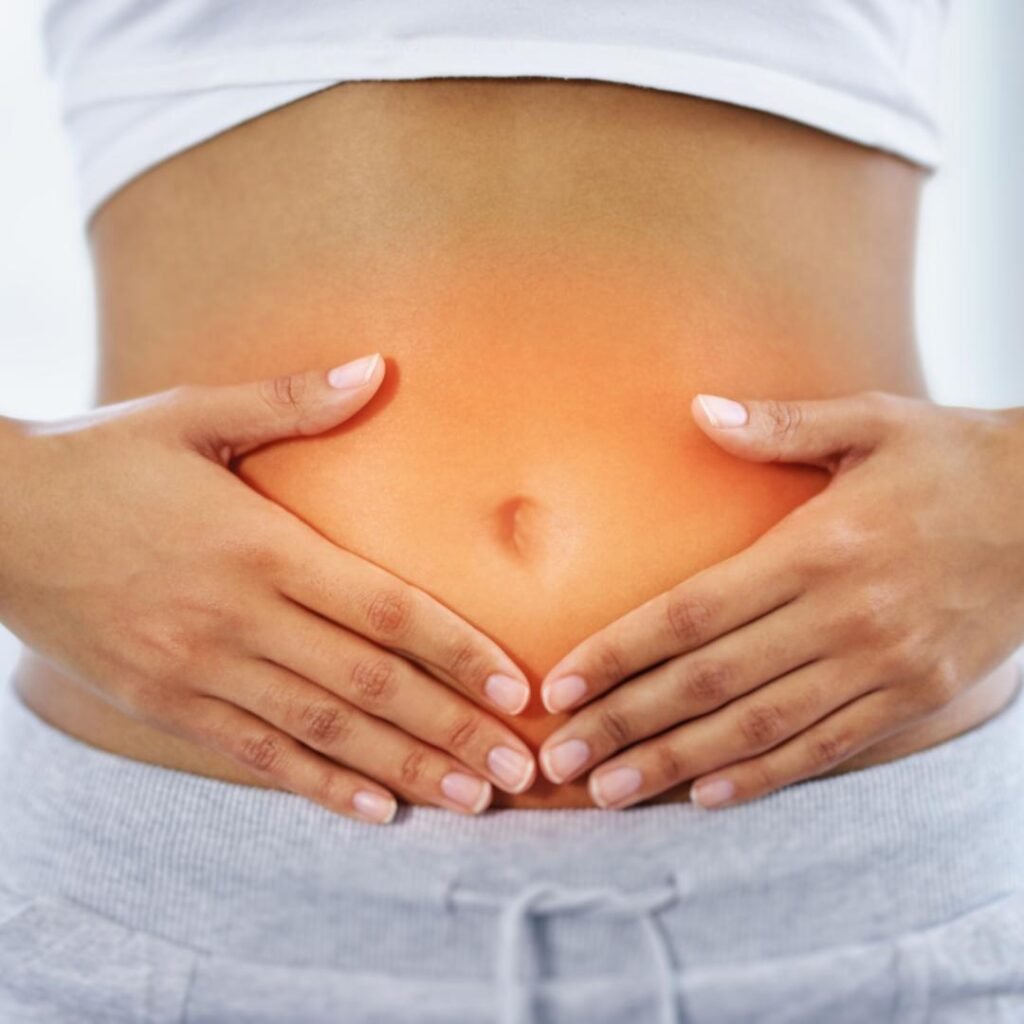
Maybe you experience bloating after meals, feel unusually tired in the afternoon, or find yourself reaching for snacks even when you’ve eaten. Perhaps you’ve noticed changes in your mood or skin and can’t quite figure out what’s going on.
These experiences can have different causes, but they may be a reason to pay closer attention to your digestive health.
A Story We Can All Relate To
She Was Taking Care of Everything Except Herself.
Sarah was always busy taking care of work, family, and everyone around her. But in the middle of doing so much for others, she forgot about herself.
Breakfast was often skipped, lunch was whatever was convenient, and drinking water happened only when she remembered. Rest? There was always something else to do.
Eventually, she began noticing that she often felt uncomfortable after meals and struggled with low energy. She kept promising herself she’d do better when life slowed down, but it never did.
One evening, she asked herself, “Why am I taking care of everything except myself?”
That simple question made her realise it was time to pay attention to her habits, including her gut health.
Sometimes, taking better care of yourself begins with noticing the little things you’ve been overlooking.
The Little Signs We Often Ignore
Sometimes, your body gives you small signals that something isn’t quite right. Because life gets busy, it’s easy to dismiss them and carry on with your day.
Maybe it’s:
- Bloating after meals
- That mid-afternoon crash where coffee barely helps
- Random cravings
- Mood swings
- Skin flare-ups
- Feeling “off” for no obvious reason
Sound familiar?
Most people ignore their gut health until the symptoms become impossible to overlook.
But here’s the truth:
Your gut affects far more than digestion.
It influences:
- Energy
- Mood
- Sleep
- Cravings
- Hormones
- Inflammation
- Skin health
When your gut feels good, your whole body feels different.
Two Versions of You
Picture this.
Version One
You feel bloated, tired and irritable. You’re hungry all the time, struggle to concentrate and find yourself relying on sugar or caffeine just to get through the day.
After meals, you may feel uncomfortable rather than satisfied. Your energy levels seem to rise and fall, leaving you wondering why even ordinary daily activities feel exhausting.
Version Two
Now imagine feeling more comfortable after meals, having steadier energy and finding it easier to concentrate.
You feel less bothered by bloating, and your daily routine feels more manageable. You’re paying attention to your hunger and fullness cues, making time for rest and choosing foods that help you meet your nutritional needs.
Your digestion feels more settled, and you’re becoming more aware of what your body needs.
Which version would you rather work towards?
Of course, everyone’s body is different, and healthy habits cannot guarantee that every symptom will disappear. Persistent digestive discomfort can have several causes and may need medical attention.
However, supporting your gut doesn’t have to involve extreme cleanses, expensive supplements or a complete lifestyle makeover.
Sometimes, it starts with small, consistent changes to the way you eat, move, rest and manage stress.
To understand why these changes matter, let’s look at what’s happening inside your digestive system.
WHY YOUR GUT MATTERS?
Why Your Gut Is Basically Your Second Brain
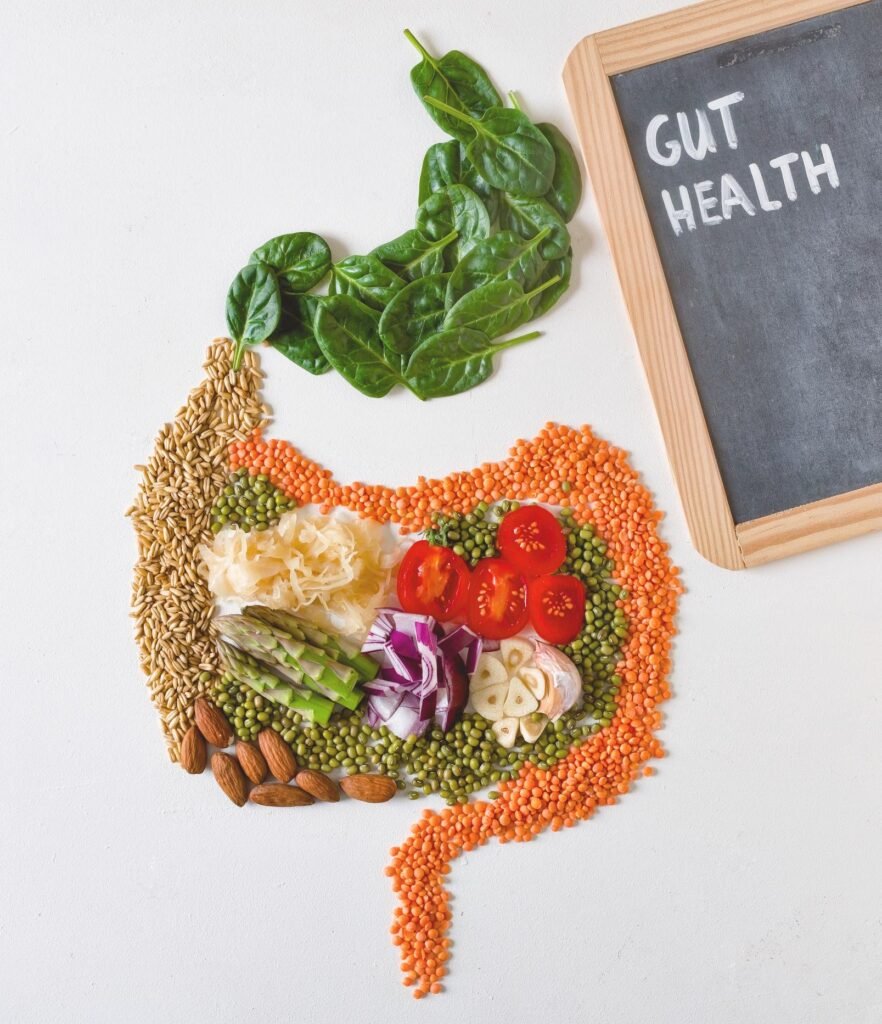
Inside your digestive system lives a complex community of bacteria and other microorganisms commonly known as your gut microbiome.
These microorganisms are not simply there without a purpose. Many play important roles in helping your body function.
Your gut microbiome contributes to processes involving:

Your Gut & Digestion
it breaks down food, absorbs nutrients and supports your body's natural processes.
The Gut-Brain Connection
Your gut an brain communicate closely,which can influence how you feel, think and respond to stress.
The Immune System
Your gut plays a role in your immune system an works with the microorganims in your body.
Inflammatory Process
The gut microbiome interacts with processes involved in inflammation, which can influence your overall health.
The important thing to remember is that your digestive system is part of a much larger picture of well-being. Looking after it is one way to support your overall health.
So, what everyday habits might be working against you?
What Disrupts Gut Health
Remember how Sarah often chose what was easiest and quickest?
It wasn’t just her. Many of us do the same without realising it. Here are some everyday habits that may be working against your gut health.
When Convenience Becomes the Everyday Choice
Too much processed food, fast food and sugary treats can affect your gut microbiome and leave less room for fibre-rich foods.
A small change: Try adding more fruits, vegetables, beans and whole grains.
Eating Without Really Paying Attention
Eating quickly or while scrolling can make you overlook your fullness signals and may lead to bloating.
A small change: Put your phone aside, chew slowly and pay attention to how you feel.
When Medication Becomes a Concern
Antibiotics and some medications can affect the bacteria in your gut and may cause digestive changes such as diarrhoea.
A small change: Take medication as prescribed and speak with a healthcare professional if you have concerns.
Forgetting to Give Your Body Enough Fibre
Fibre supports bowel regularity and feeds beneficial gut bacteria. A low-fibre diet may mean you miss out on these benefits.
A small change: Add fibre gradually and drink enough water.
Eating the Same Limited Variety of Foods
Relying on the same few meals can make it harder to get a wide range of nutrients and types of fibre that support your gut.
A small change: Try new fruits, vegetables, beans or whole grains when they’re available and affordable.
How To Support a Healthier Gut Naturally
You don’t have to change everything at once. Here are five simple ways to start.
Eat More Fiber
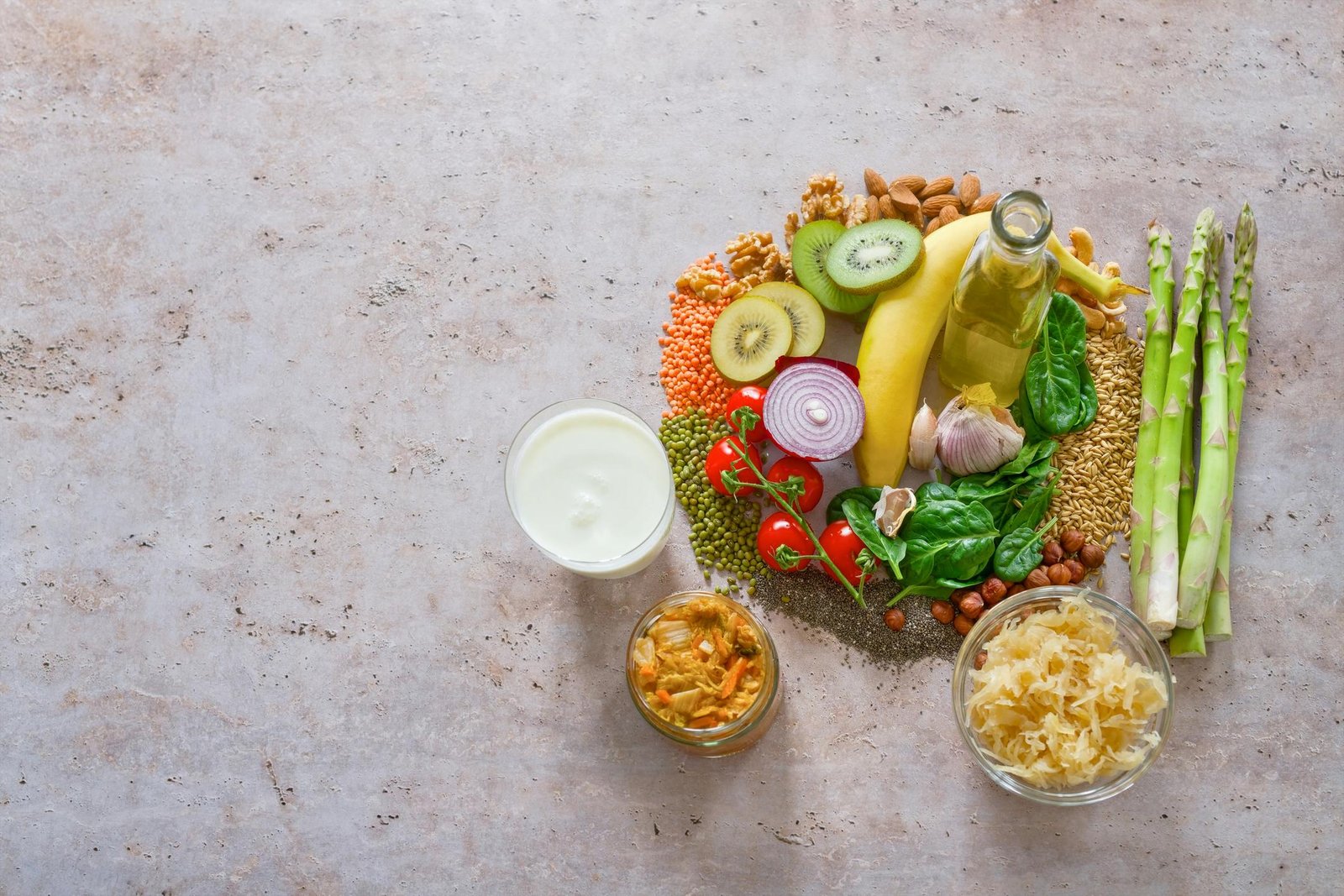
Add vegetables, fruits, oats, beans, lentils, nuts and seeds to your meals. Increase your intake gradually if you’re not used to eating much fibre.
Add Fermented Foods
Try yogurt, kefir, kimchi or sauerkraut. Choose options that suit your taste and budget.

Include Protein & Healthy Fats
Eggs, fish, chicken, beans, tofu, olive oil, avocados and nuts help keep you full and provide important nutrients.
Slow Down While Eating
Chew your food, avoid distractions and give yourself time to enjoy your meals.
Focus on Balance, Not Perfection
Enjoy your favourite foods, but include more vegetables, fruits and whole grains. It’s about better choices, not strict rules.
Tiny Gut-Health Habits That Actually Work
Small habits add up faster than extreme plans.
Try:
- Adding one new vegetable to your meals each day
- Drinking more water consistently
- Eating fermented foods a few times a week
- Taking short walks after meals
- Prioritizing sleep
- Managing stress more intentionally
These tiny habits help support:
- Digestion
- Energy
- Mood
- Inflammation
- Hormonal balance
Remember Sarah from the beginning of this article?
She didn’t need to change her entire life in one day. Her first step was recognising that her daily habits deserved attention.
You can begin the same way: choose one small change that feels realistic and build from there.
And if you’re wondering what these changes could look like on your plate, here’s a simple place to start.
A Simple 3-Day Preventive Meal Plan
Planning your meals can make it easier to include a variety of foods without having to decide what to eat at the last minute.
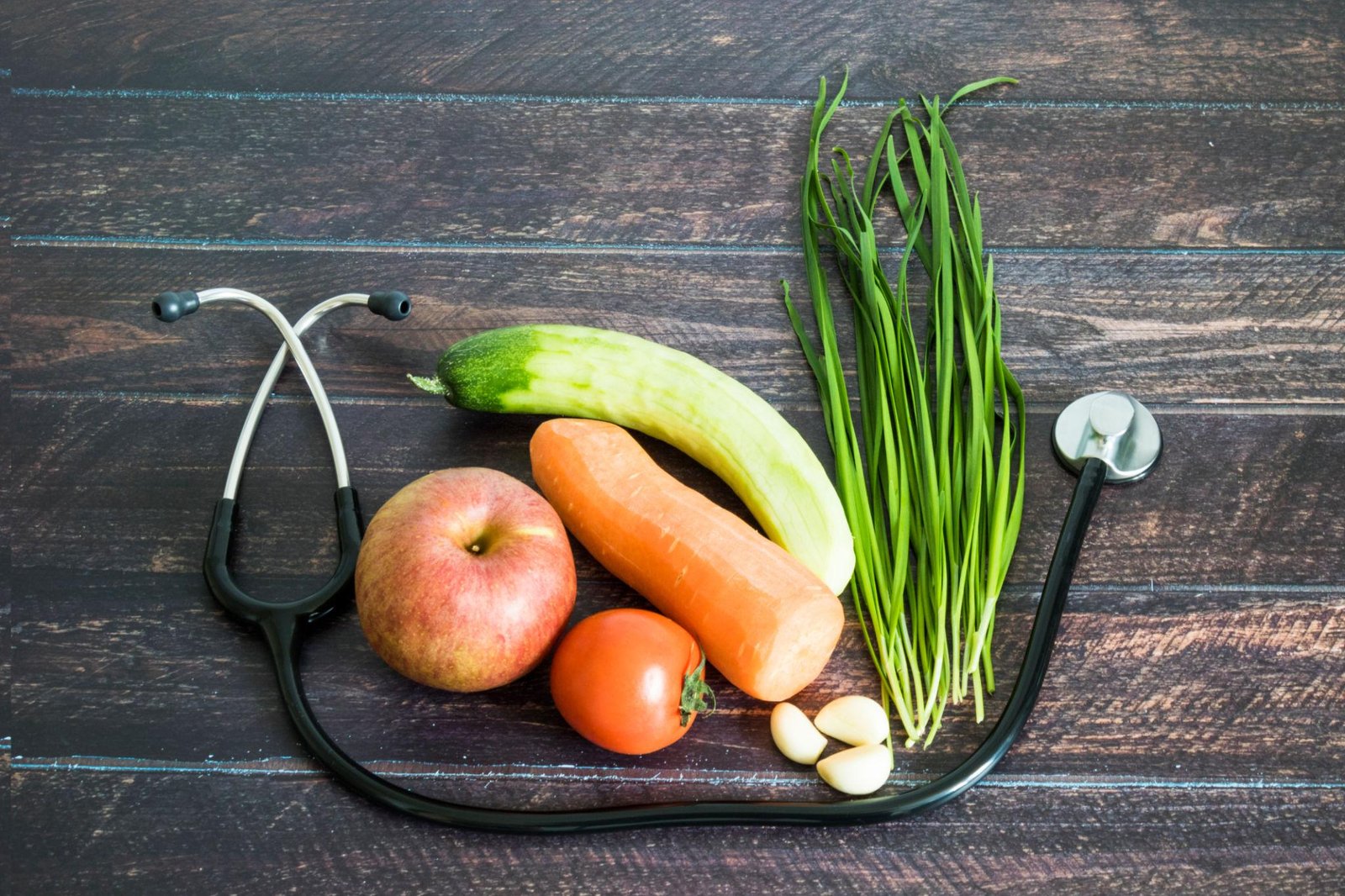
The following suggestions include sources of fibre, protein and healthy fats. They are meal ideas to adapt to your preferences, budget, allergies and nutritional needs, rather than a strict prescription.
Choose from the following options as you plan your meals over three days.
Breakfast
Greek yogurt + berries + chia seeds
OR
Oatmeal + flaxseed + banana + walnuts
Lunch
Salmon salad with mixed greens, olive oil, and chickpeas
OR
Quinoa bowl with roasted vegetables and grilled chicken
Dinner
Lentil soup + roasted vegetables + brown rice
OR
Baked salmon + sweet potato + steamed greens
Snacks
Apple + almond butter
Carrots + hummus
Kefir smoothie
Nuts + fruit
The Takeaway
Here’s The Truth Most People Don’t Hear!
Gut health isn’t about detox teas, starving yourself, expensive cleanses or eating perfectly every single day.
It’s about building sustainable habits that support your body over time.
That might mean eating more fibre, adding variety to your meals, slowing down when you eat, drinking enough water or making more time for rest.
Start with what you can manage.
When you build a balanced eating pattern and take care of your general well-being, you may find that you’re better able to support your digestive health.
When your gut is supported, you may notice:
- More stable energy
- Better mood
- Less bloating
- Fewer cravings
- Improved sleep
- Better digestion
Your gut is an important part of your overall health, but it isn’t the only factor that determines how you feel.
The best approach is to pay attention to your body, make realistic changes and seek professional advice when you need it.
Final Thought
Think back to Sarah’s question:
“Why am I taking care of everything except myself?”
It’s a question worth asking ourselves from time to time.
Between work, responsibilities and the demands of everyday life, it’s easy to put our well-being last. But caring for yourself doesn’t have to begin with a dramatic decision.
It can begin with drinking water more consistently, making a more balanced meal, slowing down while eating or taking a short walk when you can.
Small changes may seem insignificant at first, but they can help you build habits that support your health over time.
Take care of your body gently.
Support it consistently.
And give yourself the attention you deserve.
Your well-being matters, too.